


Introduction
NHS Fleet Solutions plays a crucial role in supporting the operational backbone of the United Kingdom’s healthcare system. With thousands of healthcare professionals travelling daily to provide essential care in communities, hospitals, and patient homes, efficient and reliable transport is not a luxury—it is a necessity.
As pressure on healthcare services continues to grow, the need for structured, cost-effective, and sustainable vehicle management has become increasingly important. NHS Fleet Solutions provides a tailored approach to vehicle leasing and fleet management designed specifically for NHS staff and organisations, ensuring that mobility never becomes a barrier to delivering care.
This article explores how NHS Fleet Solutions works, its key benefits, challenges, and its growing importance in shaping the future of healthcare transport in the UK.
What is NHS Fleet Solutions?
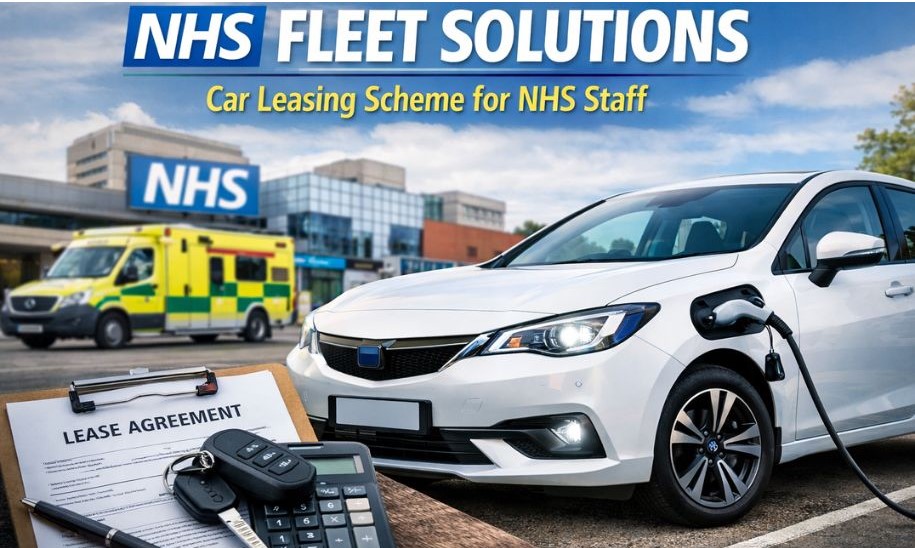
NHS Fleet Solutions is a specialised vehicle leasing and management programme designed for NHS employees and affiliated healthcare organisations. It offers access to a wide range of vehicles through structured leasing agreements, including salary sacrifice schemes and full fleet management services.
The core purpose is to provide affordable, reliable, and fully maintained transport options that support healthcare delivery while reducing financial and administrative burdens.
Unlike standard leasing providers, NHS Fleet Solutions is built around the needs of public sector healthcare workers. It prioritises affordability, compliance, sustainability, and operational efficiency.
How NHS Fleet Solutions Operates
Salary Sacrifice Vehicle Scheme
One of the most widely used options under NHS Fleet Solutions is the salary sacrifice arrangement. This scheme allows employees to lease a brand-new vehicle by exchanging a portion of their gross salary.
Key Features of Salary Sacrifice
Employees benefit from:
- Reduced income tax and National Insurance contributions
- Lower monthly payments compared to traditional car finance
- Access to new, fuel-efficient and safe vehicles
- Optional maintenance and servicing packages included
This system makes driving a new vehicle significantly more affordable for NHS staff, especially those who rely on travel for community-based roles.
Fleet Management Services for NHS Trusts
Beyond individual leasing, NHS Fleet Solutions also provides comprehensive fleet management for NHS Trusts and healthcare bodies.
What Fleet Management Includes
- Vehicle procurement and leasing coordination
- Maintenance scheduling and repair management
- Insurance and compliance handling
- Breakdown assistance services
- Data-driven fleet performance monitoring
This structured approach ensures organisations can focus on patient care while transport logistics are professionally managed.
Importance of NHS Fleet Solutions in Healthcare Delivery
Transport is a vital component of healthcare delivery, particularly in community-based services where professionals travel directly to patients.
Supporting Community Healthcare Workers
Healthcare professionals such as district nurses, health visitors, physiotherapists, and mental health practitioners rely heavily on transport to carry out daily responsibilities.
Benefits for Healthcare Delivery
- Timely arrival at patient appointments
- Improved continuity of care
- Reduced administrative delays
- Increased efficiency in service delivery
Without an effective transport system, many NHS services would struggle to meet demand, particularly in rural and dispersed communities.
Enhancing Operational Efficiency
Efficient fleet systems reduce downtime and improve coordination. Vehicles are properly maintained, replaced when necessary, and monitored for performance, ensuring that healthcare professionals can focus on their clinical responsibilities rather than logistical challenges.
Financial Advantages of NHS Fleet Solutions
Cost efficiency is one of the strongest reasons NHS Fleet Solutions has become widely adopted across the healthcare system.
Reduced Vehicle Costs
Through bulk purchasing power and structured leasing arrangements, NHS organisations benefit from reduced vehicle acquisition costs.
Lower Maintenance and Running Expenses
Fleet management includes servicing, repairs, and maintenance coordination, which helps avoid unexpected costs and ensures vehicles remain in optimal condition.
Predictable Budgeting
Fixed monthly leasing payments allow both organisations and employees to plan finances more effectively, avoiding unpredictable expenses associated with vehicle ownership.
Sustainability and Environmental Responsibility
Environmental sustainability is now a central priority for the NHS, and NHS Fleet Solutions contributes significantly to reducing the organisation’s carbon footprint.
Shift Towards Electric Vehicles
A major transformation is underway as NHS Fleet Solutions encourages the adoption of electric and hybrid vehicles.
Advantages of Electric Vehicles
- Lower greenhouse gas emissions
- Reduced fuel dependency
- Lower long-term operating costs
- Contribution to national net-zero targets
This shift aligns with the UK government’s long-term environmental strategy and the NHS commitment to becoming a net-zero organisation.
Reducing Carbon Emissions Through Smarter Practices
In addition to vehicle changes, NHS Fleet Solutions also promotes:
- Route optimisation to minimise unnecessary travel
- Efficient scheduling of healthcare visits
- Monitoring and analysis of fleet usage data
- Encouraging eco-friendly driving behaviour among staff
These combined efforts significantly reduce environmental impact across healthcare transport operations.
Benefits for NHS Employees
NHS Fleet Solutions is designed not only for organisational efficiency but also for employee wellbeing and financial support.
Affordable Access to New Vehicles
Through salary sacrifice schemes, employees can access brand-new vehicles at significantly reduced costs.
Key Advantages
- No large upfront payment required
- Fixed monthly costs for easier budgeting
- Access to modern, safe, and fuel-efficient vehicles
This makes vehicle ownership more accessible for healthcare workers at different income levels.
Convenience and Reduced Administrative Burden
NHS Fleet Solutions simplifies vehicle ownership by including essential services within leasing packages.
Services Often Included
- Vehicle maintenance and servicing
- Breakdown assistance
- Road tax and registration
- Tyre replacement and repairs
This reduces stress and ensures healthcare staff can focus on their demanding roles.
Improved Safety and Reliability
Modern fleet vehicles are equipped with advanced safety features such as emergency braking systems, lane assist technology, and enhanced driver support systems. This improves road safety for staff who spend long hours travelling between appointments.
Challenges and Limitations
While NHS Fleet Solutions offers many advantages, there are also challenges that must be considered.
Impact on Salary and Benefits
Because salary sacrifice reduces gross income, it may affect:
- Pension contributions
- Certain benefit entitlements
- Statutory pay calculations
Employees are encouraged to fully understand these implications before joining a scheme.
Fixed Contract Commitments
Most leasing arrangements require long-term commitments, typically between two and four years. Early termination may result in financial penalties.
Electric Vehicle Infrastructure Challenges
Although the transition to electric vehicles is progressing, some challenges remain:
- Limited charging infrastructure in certain regions
- Range limitations for long-distance travel
- Installation requirements for home charging points
These issues are gradually improving but still require consideration.
The Future of NHS Fleet Solutions
The future of NHS Fleet Solutions is closely linked to technological innovation, sustainability, and digital transformation within the healthcare sector.
Expansion of Electric and Hybrid Fleets
The NHS is expected to significantly increase its use of electric vehicles over the coming years, supported by government policy and environmental commitments.
Integration of Smart Fleet Technology
Advanced technologies are being introduced to improve efficiency, including:
- Real-time vehicle tracking systems
- Predictive maintenance analytics
- Artificial intelligence for route planning
- Digital fleet management platforms
These innovations will help reduce costs and improve service delivery efficiency.
Alignment with Net Zero Goals
The NHS aims to become one of the world’s first net-zero healthcare systems. NHS Fleet Solutions will play a central role in achieving this by reducing transport-related emissions and promoting sustainable mobility practices.
Conclusion
NHS Fleet Solutions is a vital part of the UK healthcare infrastructure, providing essential transport services that support both staff and organisations. By offering cost-effective leasing options, structured fleet management, and a strong focus on sustainability, it ensures that healthcare professionals can deliver services efficiently and reliably.
As the healthcare system continues to evolve, NHS Fleet Solutions will remain central to improving mobility, reducing costs, and supporting environmental goals. With ongoing investment in electric vehicles and smart fleet technologies, its role in shaping the future of NHS transport is set to become even more significant.
