


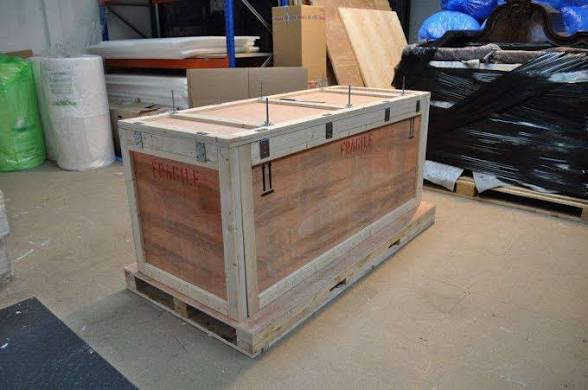
Shipping valuable equipment across international borders is rarely straightforward. From repeated handling at ports to changing climates and strict customs procedures, exported goods are exposed to a wide range of risks before they reach their destination. For businesses transporting delicate instruments, industrial components or specialist equipment, choosing the right protective case is just as important as the product itself.
This is where bespoke cases play a vital role. Unlike standard packaging, they are designed around the exact dimensions, weight and transport requirements of the item they protect. Their manufacture involves careful planning, engineering and rigorous testing to ensure they can withstand the challenges of global shipping while complying with recognised export standards.
Understanding the Demands of Export Shipping
Export shipping presents unique challenges that ordinary packaging often cannot handle. Goods may travel by road, sea and air during a single journey, with each stage introducing different hazards. Cases may be stacked in warehouses, exposed to moisture on docks or experience sudden impacts during loading and unloading.
This is investing in manufacturing bespoke cases to meet export shipping requirements is essential for protecting valuable equipment throughout its journey.
A bespoke case must therefore provide protection against:
- Physical shocks and vibration
- Compression during stacking
- Temperature fluctuations
- Moisture and dust
- Frequent handling throughout the supply chain
The manufacturing process begins with understanding exactly how the product will be transported and the conditions it is likely to encounter.
Designing Around the Product
Every bespoke case starts with a detailed assessment of the item it will carry. Manufacturers gather information such as dimensions, weight, fragility, centre of gravity and any sensitive components that require additional protection.
Engineers then create a design that balances protection with practicality. A case that is unnecessarily large increases shipping costs, while one that is too compact may fail to provide adequate cushioning.
Modern design software allows manufacturers to develop precise layouts before production begins, helping ensure every component fits securely and efficiently.
Businesses seeking expert support in manufacturing bespoke cases benefit from a design process that accounts for both the product’s requirements and the realities of international transport.
Selecting the Right Materials
Material selection is one of the most important stages of production. Different applications require different combinations of strength, weight and durability.
Common materials include:
- High-grade plywood for strength and impact resistance
- Aluminium for lightweight yet robust construction
- Composite panels for specialist applications
- Heavy-duty plastics where corrosion resistance is essential
Internal protection is equally important. Custom-cut foam inserts are often manufactured to hold equipment securely in place, preventing movement during transit and absorbing shocks that could otherwise damage sensitive components.
Hardware such as hinges, locks, handles and corner reinforcements is chosen to withstand repeated use without compromising security.
Precision Manufacturing
Once the design has been approved, manufacturing begins using precision cutting and assembly techniques. Computer-controlled machinery enables panels and components to be cut accurately, ensuring every part fits together perfectly.
The assembly process involves more than simply constructing a box. Manufacturers reinforce stress points, install protective edging and carefully fit internal foam inserts to match the product’s shape.
Attention to detail during production helps eliminate weak points that could fail under the demands of export transportation.
Many manufacturers also apply protective finishes that improve resistance to moisture, chemicals, and everyday wear, extending the case’s lifespan.
Testing for Real-World Conditions
Before a bespoke case is put into service, it often undergoes extensive testing to verify its performance.
Typical assessments may include:
- Drop testing
- Vibration testing
- Compression testing
- Moisture resistance checks
- Load-bearing evaluations
These tests simulate the conditions experienced during international shipping and help identify any design improvements before the case enters regular use.
Testing also provides confidence that valuable equipment will remain protected throughout long-distance transport.
Meeting Export and Industry Standards
Export packaging is often expected to meet recognised industry standards depending on the destination and type of goods being transported.
Manufacturers consider factors such as:
- International shipping regulations
- Airline and freight handling requirements
- Timber treatment regulations where applicable
- Industry-specific protection standards
Compliance helps reduce delays, minimise the risk of rejected shipments and improve confidence throughout the logistics process.
For industries including defence, aerospace, medical technology and scientific research, meeting these standards is often essential rather than optional.
Long-Term Value Beyond Shipping
Although bespoke cases may involve a greater initial investment than off-the-shelf alternatives, they frequently deliver better long-term value.
A well-manufactured case can be reused for many years, reducing replacement costs and providing consistent protection across multiple shipments. Lower rates of product damage also help businesses avoid expensive repairs, replacement goods and disrupted delivery schedules.
Custom cases can further improve efficiency by making equipment easier to handle, store, and transport, while presenting a more professional appearance to customers and partners.
Conclusion
Export shipping demands packaging that goes far beyond basic protection. Bespoke cases are carefully designed, engineered and tested to safeguard valuable equipment throughout complex international journeys. From selecting durable materials to incorporating custom interiors and meeting recognised shipping standards, every stage of the manufacturing process contributes to reliable performance.
For organisations that regularly transport specialist equipment overseas, investing in a professionally manufactured bespoke case is an effective way to protect valuable assets, reduce risk and support smooth global logistics.
