


Introduction
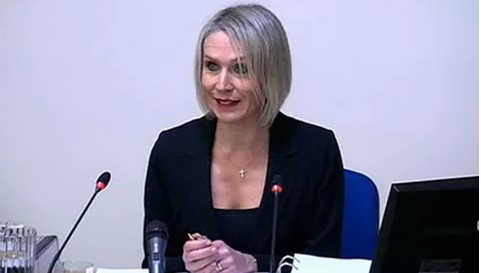
When discussing influential figures in British tabloid journalism, the name Dawn Neesom stands out as one of the most recognisable. Known for her bold editorial decisions, outspoken personality, and commanding presence in the media industry, Dawn Neesom built a reputation as one of the most powerful female newspaper editors in the United Kingdom.
Over the years, dawn neesom has become a familiar face not only in print journalism but also on television and radio. Her journey from magazine writing to leading a major national newspaper is a remarkable story of ambition, resilience, and determination. In a media landscape traditionally dominated by men, she carved her own path and left a lasting mark on British journalism.
This article explores the life, career, achievements, controversies, and influence of dawn neesom while examining why she continues to remain relevant in modern British media.
Early Life and Background
Dawn Neesom was born on 11 December 1964 in Stratford, East London. Growing up in London during a rapidly changing social and political era helped shape her sharp understanding of British culture and public opinion.
From a young age, Neesom showed an interest in storytelling, communication, and the media. She was fascinated by newspapers and magazines, particularly those that connected directly with everyday readers. This passion eventually led her towards a career in journalism.
Unlike many journalists who entered the profession through elite academic routes, dawn neesom developed her career through practical newsroom experience and hard work. Her rise reflected a traditional newsroom culture where determination, creativity, and instinct played a major role in success.
Beginning Her Journalism Career
Dawn neesom began her career in publishing during the 1980s. Her early work involved women’s magazines and lifestyle journalism, areas that allowed her to understand audience engagement and popular culture.
One of her notable early roles was at Woman’s Own, a magazine that helped her gain editorial experience and improve her writing style. During this period, she learned how to create content that appealed to mainstream British readers.
Transition into National Newspapers
Her major breakthrough arrived when she joined The Sun in the early 1990s. At the time, The Sun was one of Britain’s most widely read newspapers and a dominant force in tabloid journalism.
Working at The Sun allowed dawn neesom to develop:
- Editorial leadership skills
- Feature writing expertise
- Celebrity and entertainment coverage experience
- A deeper understanding of British tabloid culture
She eventually became the newspaper’s Women’s Editor, a position that strengthened her profile within the industry.
Rise at the Daily Star
The turning point in dawn neesom’s career came when she joined the Daily Star in 1997. Her talent and strong editorial instincts quickly earned recognition within the newspaper.
Climbing the Editorial Ladder
Over several years, she progressed through multiple senior positions including:
- Features Editor
- Associate Editor
- Deputy Editor
Her ability to understand what readers wanted helped her stand out in the competitive tabloid market.
Becoming Editor of the Daily Star
In 2003, dawn neesom became Editor of the Daily Star. This achievement was highly significant because very few women had reached such senior positions in British national newspapers.
Her appointment marked a defining moment in UK media history. At a time when newspaper leadership was overwhelmingly male, Neesom proved that women could lead major tabloids successfully.
Dawn Neesom’s Editorial Style
One of the key reasons dawn neesom became well known was her distinctive editorial style.
Bold and Unapologetic Journalism
Neesom embraced the traditional tabloid formula:
- Sensational headlines
- Celebrity gossip
- Entertainment news
- Human-interest stories
- Eye-catching front pages
She believed newspapers should entertain readers while also delivering news in an engaging manner.
Understanding Popular Culture
Her deep understanding of British pop culture enabled the Daily Star to maintain relevance during a period of intense competition among newspapers.
Under her leadership, the paper focused heavily on:
- Reality television
- Celebrity scandals
- Sport
- Royal Family stories
- Lifestyle features
This approach helped the newspaper maintain strong visibility in the tabloid market.
Challenges in the Newspaper Industry
While dawn neesom enjoyed considerable success, her time as editor was not without challenges.
Declining Print Sales
Like many newspaper editors, she faced the growing impact of digital media. As online news platforms expanded, print newspaper circulation across Britain began to decline.
Neesom had to adapt to:
- Changing reader habits
- Social media competition
- Digital journalism trends
- Reduced print advertising revenue
Despite these difficulties, she remained committed to preserving the tabloid newspaper format.
Pressure of Public Scrutiny
Being editor of a national newspaper meant constant public attention. Editorial decisions were frequently criticised by politicians, campaigners, and rival publications.
However, dawn neesom became known for defending her newspaper strongly and standing by controversial editorial choices.
The Leveson Inquiry and Media Controversy
One of the most challenging periods for British journalism came during the Leveson Inquiry, which investigated media ethics and press behaviour.
Dawn Neesom’s Involvement
As editor of the Daily Star, dawn neesom participated in discussions surrounding press regulation and journalistic standards.
The inquiry examined:
- Press ethics
- Privacy concerns
- Sensationalist reporting
- Relationships between newspapers and public figures
Like many tabloid editors, Neesom faced criticism over aspects of tabloid journalism. Nevertheless, she defended the importance of a free press and argued that newspapers played a vital role in British democracy.
Leaving the Daily Star
After nearly fifteen years as editor, dawn neesom stepped down from the Daily Star in 2018 following ownership changes within the company.
Her departure marked the end of a major chapter in British tabloid journalism.
Impact of Her Leadership
During her tenure:
- She became one of Britain’s longest-serving female tabloid editors
- The Daily Star maintained a strong identity in a crowded market
- She helped shape celebrity-focused journalism in the UK
Her influence extended beyond the newspaper itself and into wider British media culture.
Television and Radio Career
Following her newspaper career, dawn neesom successfully transitioned into broadcasting.
Becoming a Media Commentator
She regularly appeared on:
- Television debate programmes
- Political discussion panels
- Radio talk shows
Her outspoken views and confident presentation style made her a popular broadcaster.
GB News and talkRADIO
Dawn neesom later became associated with British broadcasters including GB News and talkRADIO, where she discussed:
- Politics
- Media ethics
- Current affairs
- Celebrity culture
- Social issues
Her broadcasting work introduced her to a new audience beyond newspaper readers.
Personal Life and Interests
Outside journalism, dawn neesom has spoken openly about some of her personal interests.
Football Supporter
She is known as a supporter of West Ham United, reflecting her East London roots.
Fitness and Kickboxing
Neesom has also mentioned her interest in kickboxing and fitness, which she credits for helping maintain discipline and confidence throughout her demanding career.
Dawn Neesom’s Influence on British Journalism
The importance of dawn neesom within British media cannot be ignored.
Breaking Gender Barriers
One of her greatest achievements was succeeding in a male-dominated industry. Her rise inspired many aspiring female journalists and editors.
She demonstrated that women could:
- Lead national newspapers
- Handle newsroom pressure
- Influence public debate
- Compete in senior media roles
Representing Traditional Tabloid Journalism
Neesom became symbolic of traditional British tabloid culture. Even critics acknowledged her ability to understand mass-market readership better than many competitors.
Her editorial methods reflected a classic era of British newspapers that prioritised:
- Strong headlines
- Entertainment value
- Emotional storytelling
- Reader engagement
Public Reputation and Legacy
Public opinion about dawn neesom remains mixed, which is often the case for influential tabloid figures.
Supporters’ Perspective
Supporters admire her for:
- Her confidence
- Editorial leadership
- Strong communication skills
- Longevity in a competitive industry
Many believe she helped modernise aspects of tabloid journalism while maintaining its commercial appeal.
Critics’ Perspective
Critics argue that some tabloid practices under her leadership contributed to sensationalism within British media.
Nevertheless, even critics acknowledge that dawn neesom became one of the most recognisable and influential female newspaper editors in modern Britain.
Why Dawn Neesom Still Matters Today
Even after leaving daily newspaper editing, dawn neesom remains relevant in media discussions.
Continued Media Presence
Her television and radio appearances ensure she continues influencing public debate on:
- Politics
- Journalism
- Media ethics
- British culture
A Significant Figure in UK Media History
Few female editors achieved the same level of visibility and authority in British tabloids. Her career therefore represents an important chapter in the evolution of UK journalism.
Conclusion
Dawn Neesom built an extraordinary career through determination, confidence, and editorial instinct. From her beginnings in magazine journalism to becoming editor of the Daily Star, she established herself as one of Britain’s most influential media personalities.
Her journey reflects both the opportunities and controversies surrounding British tabloid journalism. Whether admired or criticised, dawn neesom undeniably played a major role in shaping modern UK media culture.
Today, her legacy continues through her broadcasting work and her lasting impact on British journalism. As one of the few women to lead a major national tabloid newspaper, dawn neesom remains an important figure in the history of the British press.
