


Introduction
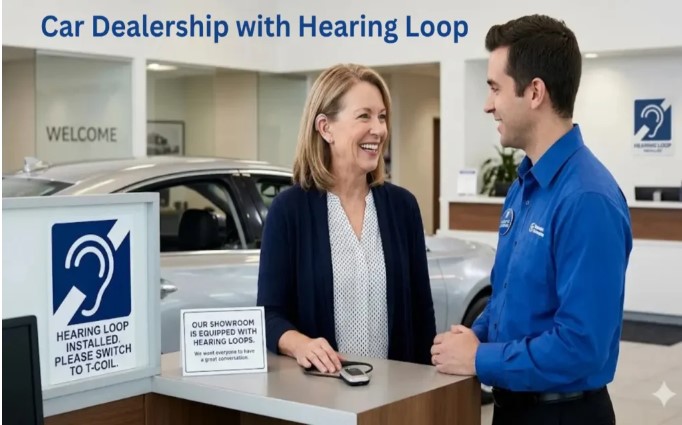
The modern automotive industry is evolving rapidly, not only in terms of vehicle technology but also in customer service and accessibility. One of the most important developments in this area is the rise of the car dealership with hearing loop, designed to support customers with hearing loss and ensure equal access to communication during the car buying process.
Buying a car is a significant decision that involves negotiation, detailed explanations, and trust between the customer and the sales team. For individuals with hearing impairments, traditional showroom environments can create barriers that make this experience stressful or even exclusionary. Hearing loop systems are changing that by offering a more inclusive and comfortable environment.
This article explores how hearing loop-equipped dealerships are improving accessibility, enhancing customer satisfaction, and setting new standards in the automotive retail industry.
What Is a Hearing Loop System?
A hearing loop, also known as an audio induction loop, is a specialist sound system that helps people with hearing aids or cochlear implants hear speech more clearly.
How It Works
A hearing loop system transmits sound directly into hearing aids fitted with a telecoil (T-switch). Instead of picking up background noise, the hearing aid receives a clean audio signal from the microphone system used by staff.
Where It Is Used
- Reception desks in car showrooms
- Sales consultation rooms
- Finance and insurance offices
- Service department counters
A car dealership with hearing loop ensures that conversations between staff and customers are clearer, more private, and more accessible.
Why Accessibility Matters in Car Dealerships
Car dealerships are busy, often noisy environments filled with conversations, background music, and engine sounds. For people with hearing difficulties, this can make communication challenging.
Equal Access to Information
Customers must understand vehicle features, pricing, financing options, and warranty details clearly. Without proper accessibility tools, important information may be misunderstood or missed entirely.
Improved Customer Confidence
When customers feel included and understood, they are more confident in their decisions. A hearing loop system helps build trust between staff and buyers.
Better Customer Experience
A car dealership with hearing loop provides a smoother, stress-free experience for all visitors, not just those with hearing impairments.
Benefits of a Car Dealership with Hearing Loop
Implementing hearing loop systems in dealerships offers a wide range of advantages for both customers and businesses.
Enhanced Communication
Clear communication is essential when discussing complex topics such as finance agreements, part exchanges, and vehicle specifications. Hearing loops ensure no detail is missed.
Inclusive Environment
Dealerships become more welcoming and inclusive, showing a commitment to accessibility and equality.
Increased Customer Satisfaction
Satisfied customers are more likely to return and recommend the dealership to others. Accessibility improvements directly influence positive reviews and loyalty.
Professional Image
A dealership that invests in accessibility demonstrates professionalism and social responsibility.
How Hearing Loops Are Installed in Dealerships
Setting up a hearing loop system in a dealership requires careful planning to ensure maximum effectiveness.
Step 1: Site Assessment
Experts evaluate the dealership layout, identifying key communication areas such as reception desks and sales offices.
Step 2: System Design
A tailored system is designed based on room size, wall materials, and noise levels.
Step 3: Installation
Cables are installed around designated areas, creating a magnetic field that transmits sound to hearing aids.
Step 4: Testing and Calibration
The system is tested to ensure clear and consistent sound coverage throughout the looped areas.
Customer Experience in a Hearing Loop Equipped Dealership
A visit to a car dealership with hearing loop is significantly different for customers who rely on hearing assistance technology.
Reception Interaction
From the moment a customer enters the showroom, they can communicate easily with staff at the reception desk without asking for repetition or clarification.
Sales Consultation
During detailed discussions about car models, features, and pricing, customers hear every word clearly, even in busy environments.
Finance and Paperwork
Financial agreements and legal documents are explained with clarity, reducing misunderstandings and improving confidence.
Hearing Loops and Legal Accessibility Standards
Accessibility is not just a courtesy; in many countries, it is a legal requirement under disability rights legislation.
Equality and Inclusion Laws
Businesses are expected to make reasonable adjustments to ensure that disabled individuals are not disadvantaged.
Industry Compliance
Car dealerships adopting hearing loop systems demonstrate compliance with accessibility standards and reduce the risk of discrimination claims.
Corporate Responsibility
Beyond legal obligations, many dealerships adopt accessibility solutions as part of their corporate social responsibility initiatives.
Challenges in Implementing Hearing Loop Systems
While beneficial, installing hearing loops does come with certain challenges.
Initial Installation Costs
There is an upfront investment required for equipment and professional installation, especially in large showrooms.
Maintenance Requirements
Regular testing is needed to ensure the system continues to function properly.
Staff Training
Employees must be trained to understand how the system works and how to assist customers in using it effectively.
Despite these challenges, the long-term benefits far outweigh the costs.
The Role of Technology in Modern Car Dealerships
The adoption of hearing loops is part of a wider trend of technological innovation in the automotive retail sector.
Digital Integration
Many dealerships now combine hearing loops with digital display systems, online booking tools, and virtual consultations.
Smart Showrooms
Modern showrooms are becoming more interactive, accessible, and customer-focused.
Future Accessibility Innovations
We may soon see advanced AI-driven communication tools, real-time transcription services, and enhanced audio systems integrated into dealership environments.
A car dealership with hearing loop represents just one step towards a fully inclusive automotive buying experience.
Why More Dealerships Should Adopt Hearing Loop Systems
The benefits of adopting hearing loops extend beyond compliance and accessibility.
Wider Customer Reach
Dealerships can serve a broader customer base, including the millions of people who experience hearing loss.
Competitive Advantage
Inclusive businesses often stand out in competitive markets, attracting more customers and positive attention.
Stronger Brand Reputation
A commitment to accessibility improves public perception and builds long-term brand trust.
Future of Inclusive Car Dealerships
The future of automotive retail is centred around accessibility, convenience, and customer empowerment.
Universal Design Approach
Dealerships are moving towards environments that are usable by everyone, regardless of ability.
Hybrid Customer Experiences
In-person visits combined with digital tools will create seamless, accessible buying journeys.
Continuous Improvement
As awareness of accessibility grows, the car dealership with hearing loop will become a standard rather than an exception.
Conclusion
A car dealership with hearing loop represents a significant step forward in making car buying more inclusive, accessible, and customer-friendly. By ensuring clear communication for people with hearing loss, dealerships create a better experience for everyone.
From improved customer satisfaction to legal compliance and enhanced brand reputation, the benefits are wide-ranging and long-lasting. As the automotive industry continues to evolve, accessibility features like hearing loops will play an increasingly important role in shaping the future of customer service.
Ultimately, inclusivity is not just a feature—it is a necessity for modern businesses aiming to thrive in a competitive and socially responsible marketplace.
