


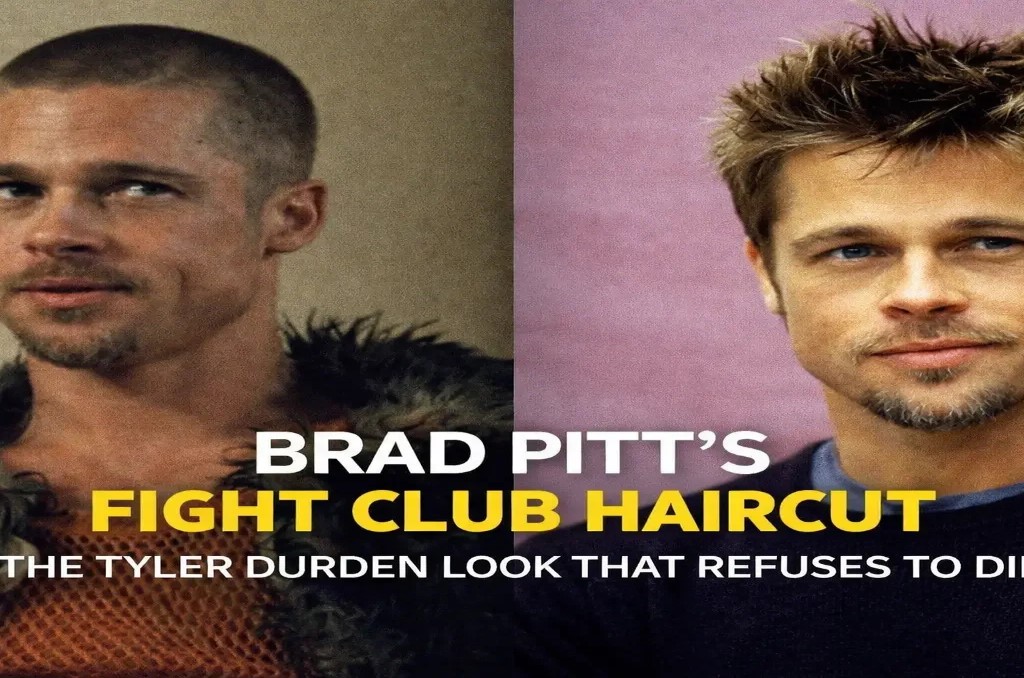
Introduction to Brad Pitt Fight Club and Its Cultural Explosion
The phrase “brad pitt fight club” instantly evokes one of the most iconic films in modern cinema history. Released in 1999 and directed by David Fincher, Fight Club is not just a movie but a cultural phenomenon that continues to influence audiences decades later. At the centre of its lasting impact is Brad Pitt’s unforgettable portrayal of Tyler Durden, a character who embodies rebellion, charisma, and chaos in equal measure.
While the film initially received mixed reviews and underperformed at the box office, it later evolved into a cult classic. Today, Fight Club is widely studied for its themes, cinematography, and psychological depth. Much of its enduring popularity is linked directly to Brad Pitt’s magnetic performance, which turned Tyler Durden into one of cinema’s most discussed and analysed characters.
Brad Pitt as Tyler Durden: The Birth of an Icon
A character that defined a generation
In the context of brad pitt fight club, Tyler Durden is more than just a character; he represents a philosophy. He is confident, anarchic, and unapologetically anti-establishment. Brad Pitt’s portrayal brought a unique blend of charm and danger that made Tyler both attractive and unsettling at the same time.
Unlike traditional Hollywood heroes, Tyler Durden rejects societal norms. He challenges consumer culture, rejects materialism, and encourages a radical form of self-liberation. Brad Pitt’s performance gave this philosophy a seductive edge, making audiences question whether Tyler is a villain, a liberator, or something in between.
The duality of identity
A central aspect of Fight Club is the dual identity between the Narrator and Tyler Durden. Brad Pitt’s role becomes even more impressive when considering that Tyler is a manifestation of the Narrator’s subconscious mind. This required Pitt to embody an exaggerated version of confidence and masculinity while maintaining subtle psychological depth.
The brilliance of the brad pitt fight club performance lies in how effortlessly he switches between charm and menace. His calm delivery, piercing gaze, and controlled physicality all contribute to a character that feels both real and surreal.
The philosophy behind Tyler Durden
Tyler’s philosophy is rooted in rejecting modern consumer society. He criticises the obsession with material possessions, corporate control, and emotional suppression. Brad Pitt’s interpretation transforms these ideas into something visually and emotionally compelling, rather than just theoretical dialogue.
Behind the Scenes of Fight Club
Brad Pitt’s physical transformation
One of the most talked-about aspects of brad pitt fight club is the actor’s physical preparation for the role. Brad Pitt underwent intense training to achieve a lean, sculpted physique that became synonymous with Tyler Durden. His body represented controlled aggression and discipline, reinforcing the character’s dominance.
Interestingly, Pitt’s fitness approach focused on low body fat rather than bulk. This decision helped create a more realistic fighter’s physique, aligning with the underground boxing aesthetic of the film.
Collaboration with David Fincher
Director David Fincher played a crucial role in shaping Fight Club into the psychological masterpiece it became. His meticulous attention to detail and dark visual style perfectly complemented Brad Pitt’s performance.
Fincher encouraged improvisation and experimentation on set, allowing Pitt to push the boundaries of Tyler Durden’s personality. This collaboration resulted in scenes that feel raw, unpredictable, and emotionally charged.
Costume and visual identity
Tyler Durden’s wardrobe is another essential component of the brad pitt fight club legacy. From his iconic red leather jacket to his sunglasses and bold shirts, every element was designed to reflect rebellion and individuality.
The character’s visual style became a symbol of counterculture fashion, influencing trends for years after the film’s release.
Themes Explored in Fight Club
Consumerism and modern identity crisis
At its core, Fight Club explores the emptiness of consumer-driven society. Brad Pitt’s Tyler Durden challenges the idea that happiness can be bought or achieved through material wealth.
The film presents a world where individuals are trapped in repetitive jobs, accumulating possessions they do not need. Through Tyler, the brad pitt fight club narrative exposes the psychological consequences of this lifestyle.
Masculinity and emotional repression
Another major theme is modern masculinity. The film suggests that men in contemporary society struggle with emotional expression, identity, and purpose. Fight Club becomes an outlet for this frustration.
Brad Pitt’s character embodies a hyper-masculine ideal, but it is intentionally exaggerated to highlight its dangers. Tyler Durden’s philosophy encourages physical strength and emotional detachment, but the film ultimately questions whether this is a healthy solution.
Violence as transformation
Violence in Fight Club is not glorified but used as a symbolic tool for transformation. The underground fights represent a return to primal instincts, stripping away societal conditioning.
Brad Pitt’s performance ensures that these scenes feel both intense and thought-provoking, rather than purely entertaining.
The Psychological Depth of Tyler Durden
A manifestation of the subconscious
One of the most fascinating elements of the brad pitt fight club narrative is the revelation that Tyler Durden does not physically exist as a separate person. Instead, he is a projection of the Narrator’s fractured psyche.
This twist redefines everything that happens in the film. Brad Pitt’s performance becomes a representation of suppressed desires, hidden confidence, and uncontrolled impulses.
The symbolism of chaos
Tyler Durden symbolises chaos in opposition to order. While the Narrator represents structure, routine, and conformity, Tyler embodies freedom, unpredictability, and destruction.
This duality is what makes Brad Pitt’s performance so compelling. He is not just acting as a character but as an idea—an ideology brought to life.
Why Brad Pitt’s Performance Still Matters Today
A timeless cinematic influence
Even decades after its release, brad pitt fight club remains a reference point in film studies, pop culture, and online discussions. Tyler Durden is frequently cited in debates about masculinity, capitalism, and identity.
Brad Pitt’s performance continues to inspire actors, filmmakers, and writers. His ability to balance charisma with psychological complexity sets a benchmark for modern character acting.
Pop culture legacy
From fashion to internet memes, Fight Club’s influence is everywhere. Tyler Durden’s quotes, style, and ideology are still widely referenced in digital culture.
However, what keeps the character relevant is not just his aesthetic appeal but the deeper questions he raises about modern life.
Misinterpretation and controversy
Over time, some audiences have misunderstood Fight Club as simply promoting violence or rebellion. In reality, the film critiques these very ideas. Brad Pitt’s portrayal is intentionally layered to show both the appeal and danger of Tyler Durden’s worldview.
Conclusion: The Enduring Power of Brad Pitt Fight Club
The legacy of brad pitt fight club is built on more than just a memorable performance. It is a fusion of storytelling, philosophy, and cinematic artistry. Brad Pitt’s portrayal of Tyler Durden transformed what could have been a standard character into a cultural icon.
Fight Club continues to resonate because it reflects ongoing societal tensions—consumerism, identity, masculinity, and the search for meaning. At its heart, the film challenges viewers to question their own lives and beliefs.
Brad Pitt’s performance remains one of the defining roles of his career, not just for its style and intensity but for its depth and cultural impact. Tyler Durden is not just a character; he is an idea that continues to live on in modern cinema and beyond.
