


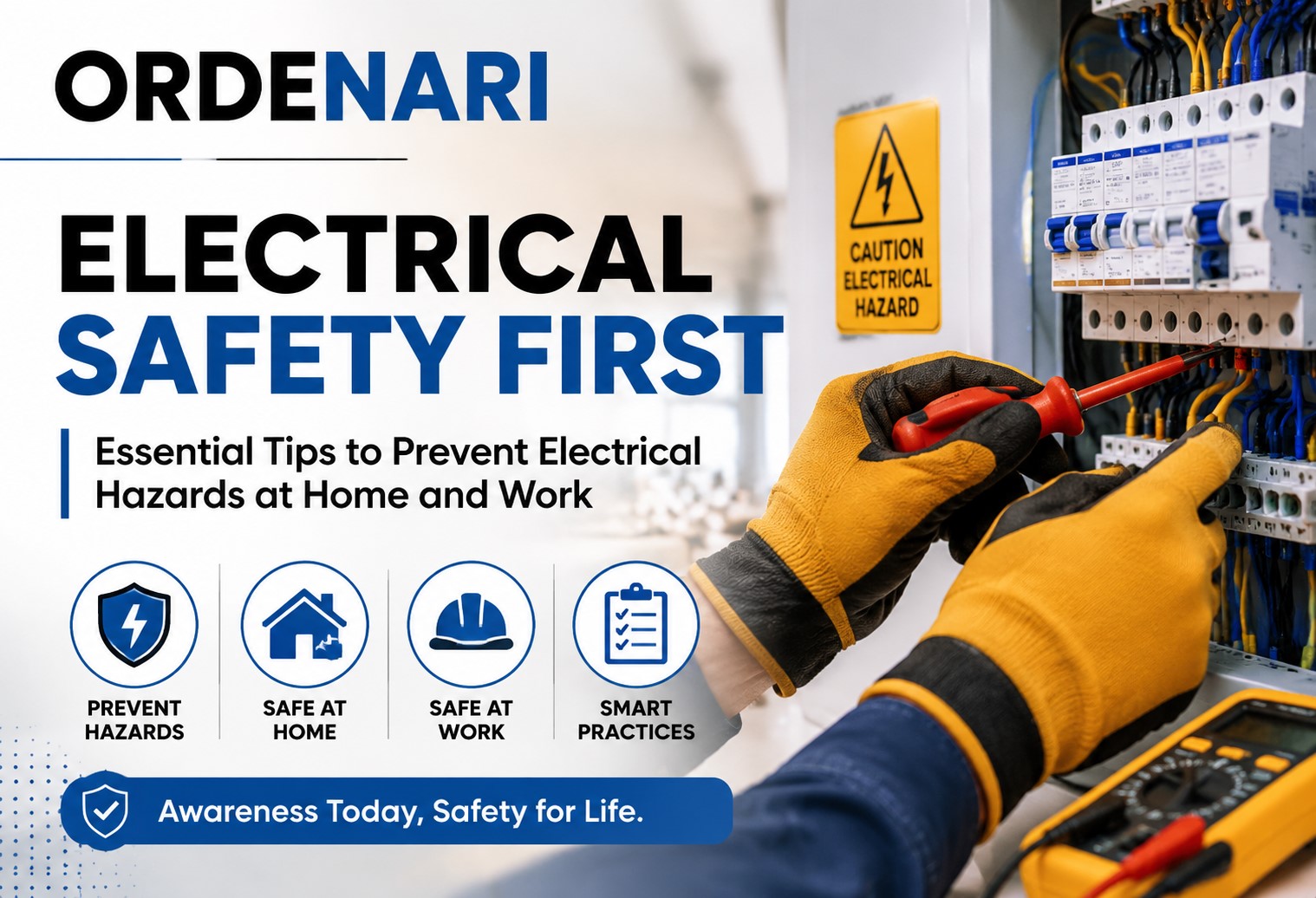
Electrical Safety First is not just a phrase; it is a practical approach to protecting lives, property, and workplaces from the dangers associated with electricity. Every year, electrical accidents cause injuries, fires, and in some cases fatalities, many of which are preventable with basic awareness and correct safety practices. Understanding how electricity works, where risks arise, and how to manage them is essential for everyone, whether at home, in the workplace, or in public environments.
This article explains key electrical safety principles, common hazards, and practical steps you can take to reduce risk.
Understanding Electrical Safety First
Electrical Safety First refers to a proactive mindset focused on identifying, preventing, and controlling electrical risks before they cause harm. Electricity is invisible, silent, and highly powerful, which makes it particularly dangerous when mishandled.
Unlike other hazards, electrical risks often give no warning signs until something goes wrong. A damaged wire, overloaded socket, or faulty appliance can lead to electric shock or fire in seconds. This is why prevention is the most effective form of protection.
At its core, Electrical Safety First is about three main principles:
- Preventing exposure to live electrical parts
- Ensuring proper installation and maintenance
- Responding correctly when faults are detected
Common Electrical Hazards in Everyday Life
Overloaded sockets and extension leads
One of the most frequent causes of electrical accidents is overloading sockets. Plugging too many appliances into one outlet can cause overheating, melting, or even fire.
Many households rely heavily on extension leads, but these are not designed for permanent or high-load use. When multiple high-power devices like heaters, kettles, or microwaves are connected, the risk increases significantly.
Damaged or frayed cables
Cables wear out over time due to bending, heat, or physical damage. A frayed wire exposes live conductors, increasing the risk of electric shock. Even minor damage should not be ignored.
Water and electricity contact
Water is a strong conductor of electricity. Using electrical appliances near sinks, wet hands, or damp environments greatly increases danger. Bathrooms and kitchens are high-risk areas that require extra caution.
Faulty appliances
Old or poorly maintained appliances can develop internal faults that are not visible. These can lead to short circuits, overheating, or sparks. Regular inspection and servicing are essential.
Electrical Safety First in the Home
Kitchen safety practices
The kitchen is one of the most electrically active areas in a home. Appliances such as kettles, ovens, toasters, and microwaves require careful handling.
Key precautions:
- Keep appliances away from water sources
- Do not plug multiple high-watt devices into one socket
- Switch off appliances when not in use
- Regularly check cords for damage
Living room and bedroom safety
Although these areas seem low-risk, hazards still exist due to televisions, chargers, lamps, and entertainment systems.
Safety tips:
- Avoid leaving devices on standby for long periods
- Do not overload plug adapters
- Keep cables organised to prevent damage or tripping hazards
Bathroom electrical safety
Bathrooms require strict electrical safety due to the presence of water and humidity.
Important rules:
- Never use plugged-in devices near bathtubs or sinks
- Ensure all bathroom outlets are properly installed and protected
- Keep electrical devices away from wet surfaces
Electrical Safety First in the Workplace
Workplaces often involve higher electrical loads and more complex systems than homes. This increases the need for structured safety practices.
Industrial equipment safety
Factories and workshops use heavy machinery that requires proper training and maintenance. Faulty equipment can cause serious injuries.
Best practices:
- Only trained personnel should operate machinery
- Regular maintenance checks must be carried out
- Machines should be switched off before servicing
Office electrical safety
Even office environments can present risks due to computers, printers, and lighting systems.
Key guidelines:
- Avoid daisy-chaining extension leads
- Ensure all equipment is PAT tested where required
- Report flickering lights or faulty sockets immediately
Cable management and fire prevention
Poor cable management is a hidden hazard in workplaces. Overheating wires behind desks or under carpets can lead to fire risks.
Understanding Electrical Safety Devices
Circuit breakers
Circuit breakers automatically shut off power when an overload or fault occurs. They are a critical defence against electrical fires and shocks.
Residual Current Devices (RCDs)
RCDs monitor electrical flow and disconnect power if they detect imbalance, such as current leaking through a person. These devices significantly reduce the risk of fatal shocks.
Fuses
Fuses protect circuits by breaking the connection when current exceeds safe levels. Although simple, they remain an important safety mechanism.
Safe Behaviour Around Electricity
Do not attempt DIY electrical repairs
One of the most dangerous mistakes is attempting to fix electrical faults without proper training. Incorrect wiring or repairs can lead to serious accidents later.
Switch off power before maintenance
Before changing bulbs, inspecting sockets, or moving appliances, always turn off the power supply. This simple habit prevents many accidents.
Unplug unused appliances
Leaving appliances plugged in increases fire risk, especially for devices that generate heat or contain internal transformers.
Warning Signs of Electrical Problems
Recognising early warning signs can prevent serious hazards.
Common indicators include:
- Burning smell near sockets or switches
- Frequent tripping of circuit breakers
- Flickering or dimming lights
- Buzzing sounds from outlets
- Warm or discoloured sockets
If any of these signs appear, the electrical system should be inspected immediately by a qualified electrician.
Electrical Safety First for Children and Families
Children are naturally curious and may not understand electrical dangers. Teaching basic safety rules early is essential.
Key safety lessons for children:
- Never insert objects into sockets
- Do not touch electrical appliances with wet hands
- Avoid playing near electrical cables
Family safety habits:
- Install socket covers in homes with young children
- Keep chargers and cables out of reach
- Regularly check household electrical systems
Emergency Response to Electrical Accidents
What to do in case of electric shock
If someone is receiving an electric shock, do not touch them directly. Turn off the power source if possible or use a non-conductive object to separate them from the source.
After disconnecting power:
- Call emergency services immediately
- Check breathing and pulse
- Begin CPR only if trained and necessary
Electrical fire response
Never use water to extinguish an electrical fire. Instead, use a fire extinguisher rated for electrical fires or cut off the power supply first.
Building a Culture of Electrical Safety First
Electrical safety is not a one-time action but an ongoing responsibility. Whether at home or in the workplace, creating awareness and maintaining safe habits reduces risks significantly.
Key habits to adopt:
- Regularly inspect electrical systems
- Use certified electricians for installations
- Avoid overloading sockets and circuits
- Educate family members and employees about safety
When electrical safety becomes part of daily routine, accidents become far less likely.
Conclusion
Electrical Safety First is about awareness, prevention, and responsible behaviour around electricity. Most electrical accidents are avoidable with simple precautions such as proper maintenance, safe usage of appliances, and understanding early warning signs. By applying these principles in homes, workplaces, and public environments, individuals can significantly reduce risks and ensure a safer living and working space.
Electricity is essential to modern life, but it must always be treated with respect and caution.
Here are the FAQs without any horizontal lines:
Frequently Asked Questions (FAQs)
1. What does “Electrical Safety First” actually mean?
Electrical Safety First means taking a preventive approach to electricity use by identifying risks early, using appliances correctly, and ensuring systems are installed and maintained safely. The goal is to reduce the chance of electric shocks, fires, and equipment failure.
2. What are the most common electrical hazards at home?
The most common hazards include overloaded sockets, damaged cables, faulty appliances, and contact between electricity and water. These issues often happen in kitchens, bathrooms, and living areas where multiple devices are used daily.
3. How can I tell if my home has an electrical problem?
Warning signs include frequent tripping of circuit breakers, burning smells near sockets, flickering lights, buzzing sounds, or sockets that feel warm or discoloured. If you notice any of these, an electrician should inspect the system immediately.
4. Is it safe to use extension leads permanently?
No, extension leads are designed for temporary use only. Using them permanently or plugging in high-power devices can cause overheating and increase the risk of fire. It is safer to install additional fixed sockets if needed.
5. What should I do if someone gets an electric shock?
Do not touch the person directly. First, switch off the power source if possible. If not, use a dry non-conductive object to separate them from the electricity source. Call emergency services immediately and check breathing only when it is safe to do so.
