


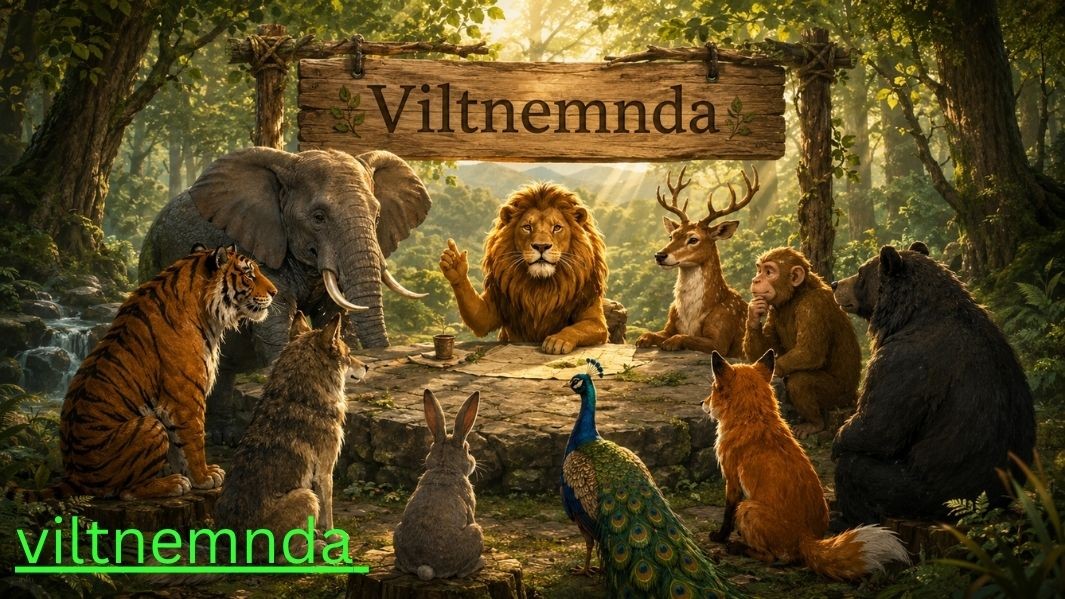
Introduction to Viltnemnda
Viltnemnda is a key part of Norway’s local governance system for wildlife management. The term refers to a municipal wildlife committee responsible for handling matters related to wild animals, hunting regulation, and human–wildlife interactions. In a country where nature plays a central role in both culture and daily life, Viltnemnda ensures that wildlife is managed responsibly, sustainably, and in accordance with national laws.
The keyword viltnemnda is essential when discussing Norway’s environmental administration, as it represents the local decision-making body that directly influences how wildlife is protected, controlled, and coexisted with by human populations.
Unlike centralised wildlife authorities in some countries, Norway uses a decentralised model. This means that Viltnemnda operates at the municipal level, allowing decisions to be made closer to local ecosystems and communities.
What Is Viltnemnda?
Definition and Meaning
The word viltnemnda comes from Norwegian, where:
- “vilt” means wildlife
- “nemnda” means committee
Together, viltnemnda translates to “wildlife committee”.
It is a municipal-level body that handles administrative and regulatory tasks related to wild animals. Every municipality in Norway typically has its own viltnemnda, although structure and size may vary depending on the region.
Role in Local Governance
Viltnemnda is not an independent organisation but part of the municipal administration. It works under national legislation such as Norway’s Wildlife Act and Nature Diversity Act. These laws ensure that wildlife is protected while also allowing sustainable use of natural resources.
The committee plays a balancing role between conservation and utilisation. This includes protecting biodiversity while also allowing controlled hunting where necessary.
Legal Framework and Authority of Viltnemnda
National Laws Governing Wildlife
Viltnemnda operates under strict legal guidelines established by Norwegian law. The most important frameworks include:
Wildlife Act (Viltloven)
This law regulates hunting, trapping, and wildlife management. It ensures that animal populations are maintained at sustainable levels.
Nature Diversity Act (Naturmangfoldloven)
This act focuses on biodiversity conservation and ecological sustainability. It requires all wildlife decisions to consider environmental impact.
Municipal Responsibility
Each municipality is responsible for implementing these laws through its viltnemnda. While national authorities set the rules, viltnemnda applies them locally based on regional wildlife conditions.
This decentralised system allows flexibility. For example, moose population management in northern forests will differ significantly from deer control in southern agricultural areas.
Key Responsibilities of Viltnemnda
Wildlife Population Management
One of the most important duties of viltnemnda is maintaining balanced wildlife populations. This includes species such as:
- Moose
- Roe deer
- Red deer
- Beavers
- Foxes and other small mammals
Monitoring Animal Populations
Viltnemnda collects data on animal numbers, migration patterns, and reproduction rates. This helps determine whether populations are stable, increasing, or declining.
Setting Hunting Quotas
Based on scientific data and local conditions, viltnemnda recommends or approves hunting quotas. These quotas ensure that wildlife populations remain healthy and do not exceed the carrying capacity of the environment.
Handling Human–Wildlife Conflicts
As human settlements expand into natural habitats, conflicts between people and wildlife have become more common.
Agricultural Damage
Wild animals such as deer or moose can damage crops, forests, and farmland. Viltnemnda assesses complaints and may implement measures to reduce damage, including controlled hunting.
Property and Safety Concerns
Large animals occasionally enter residential areas or highways, posing risks to humans and vehicles. Viltnemnda coordinates responses to manage such situations safely.
Road Traffic and Wildlife Accidents
Norway experiences a significant number of wildlife–vehicle collisions each year, especially involving moose.
Emergency Response
When an accident occurs, viltnemnda is often involved in:
- Locating injured animals
- Coordinating search efforts
- Authorising euthanasia if necessary
- Reporting and documenting incidents
This responsibility is crucial for both public safety and animal welfare.
Issuing Hunting Permits and Regulation
Viltnemnda plays a central role in regulating hunting activities.
Hunting Seasons
The committee helps define hunting periods to ensure animals are not hunted during breeding or vulnerable seasons.
Ethical and Sustainable Hunting
Hunting in Norway is tightly controlled. Viltnemnda ensures hunters follow ethical guidelines and legal requirements.
Wildlife Damage Compensation
In some cases, wildlife causes economic losses, particularly in agriculture and forestry.
Viltnemnda may evaluate claims and recommend compensation or preventive measures. This helps maintain balance between conservation goals and local livelihoods.
Decision-Making Process in Viltnemnda
Local Assessment
Decisions are based on local observations, scientific data, and reports from hunters, farmers, and environmental officers.
Collaboration with Experts
Viltnemnda often works with:
- Wildlife biologists
- Environmental agencies
- Police authorities (in emergencies)
- Road authorities (for traffic incidents)
Transparent Governance
Decisions are typically documented and made transparently to ensure public trust and accountability.
Importance of Viltnemnda in Modern Society
Protecting Biodiversity
Viltnemnda ensures that wildlife populations remain healthy and ecosystems are not disrupted by overpopulation or human interference.
Supporting Sustainable Hunting
In Norway, hunting is considered both a cultural tradition and a wildlife management tool. Viltnemnda ensures it is conducted sustainably.
Reducing Human Risk
By managing wildlife near roads and settlements, viltnemnda helps reduce accidents and safety risks.
Environmental Balance
The committee contributes to maintaining ecological balance by ensuring no single species dominates an ecosystem.
Challenges Faced by Viltnemnda
Climate Change Impact
Changing temperatures and weather patterns affect animal migration, breeding, and food availability. Viltnemnda must continuously adapt management strategies.
Urban Expansion
As towns and infrastructure expand, wildlife habitats shrink, increasing the likelihood of human–animal conflict.
Public Debate on Hunting
Hunting quotas and wildlife control decisions can sometimes be controversial, requiring careful communication with the public.
Data Limitations
Accurate wildlife monitoring is challenging in large forested areas, which can affect decision-making accuracy.
Cooperation with Other Institutions
Viltnemnda does not work alone. It collaborates with several national and regional bodies.
Environmental Authorities
National environmental agencies provide guidelines and scientific support for wildlife management.
Police and Emergency Services
In cases of dangerous animals or accidents, police assist in securing areas and managing safety.
Road Authorities
Since wildlife accidents are common on highways, coordination with transport agencies is essential.
The Future of Viltnemnda
As environmental awareness grows, the role of viltnemnda is becoming even more important. Future developments may include:
- Increased use of digital tracking for wildlife monitoring
- Stronger focus on climate adaptation strategies
- Enhanced public participation in wildlife decisions
- Improved data collection using modern technology
These advancements will help viltnemnda continue balancing conservation with human needs.
Conclusion
Viltnemnda plays a vital role in Norway’s approach to wildlife management. As a local municipal committee, it ensures that wild animals are protected while also managing their impact on human society. Through responsibilities such as setting hunting quotas, handling wildlife accidents, and resolving human–animal conflicts, viltnemnda maintains ecological balance and public safety.
The importance of viltnemnda lies in its ability to combine local knowledge with national environmental laws, creating a sustainable system that benefits both nature and people. As environmental challenges increase in the future, its role will remain essential for preserving Norway’s rich and diverse wildlife heritage.
